#### Overview of Vitamins and Minerals
Vitamins and minerals are essential nutrients that your body needs in small amounts to function properly and maintain health. They play crucial roles in various bodily processes, including growth, immune function, and overall cellular health.
#### Benefits of Vitamins
1. **Immune Support**: Vitamins such as **Vitamin C** and **Vitamin D** are vital for a robust immune system. Vitamin C helps in the growth and repair of tissues, while Vitamin D is crucial for immune response [[1]](https://www.helpguide.org/harvard/vitamins-and-minerals.htm).
2. **Bone Health**: A combination of **calcium**, **vitamin D**, **vitamin K**, **magnesium**, and **phosphorus** is essential for maintaining strong bones and preventing fractures.
3. **Preventing Birth Defects**: **Folic acid** is particularly important during pregnancy as it helps prevent brain and spinal birth defects in developing fetuses [[1]](https://www.helpguide.org/harvard/vitamins-and-minerals.htm).
4. **Energy Production**: B vitamins, including **B1 (thiamin)**, **B2 (riboflavin)**, and **B3 (niacin)**, are crucial for converting food into energy and supporting metabolic processes.
5. **Antioxidant Properties**: Vitamins such as **A**, **C**, and **E** act as antioxidants, helping to protect cells from damage caused by free radicals.
#### Benefits of Minerals
1. **Bone and Teeth Health**: Minerals like **calcium** and **fluoride** are essential for the formation and maintenance of bones and teeth [[1]](https://www.helpguide.org/harvard/vitamins-and-minerals.htm).
2. **Fluid Balance**: **Potassium** and **sodium** help regulate fluid balance in the body, which is vital for maintaining blood pressure and overall hydration.
3. **Muscle Function**: Minerals such as **magnesium** and **calcium** are important for muscle contraction and function [[2]](https://www.healthline.com/nutrition/micronutrients).
4. **Oxygen Transport**: **Iron** is a key component of hemoglobin, which carries oxygen in the blood, making it essential for energy production.
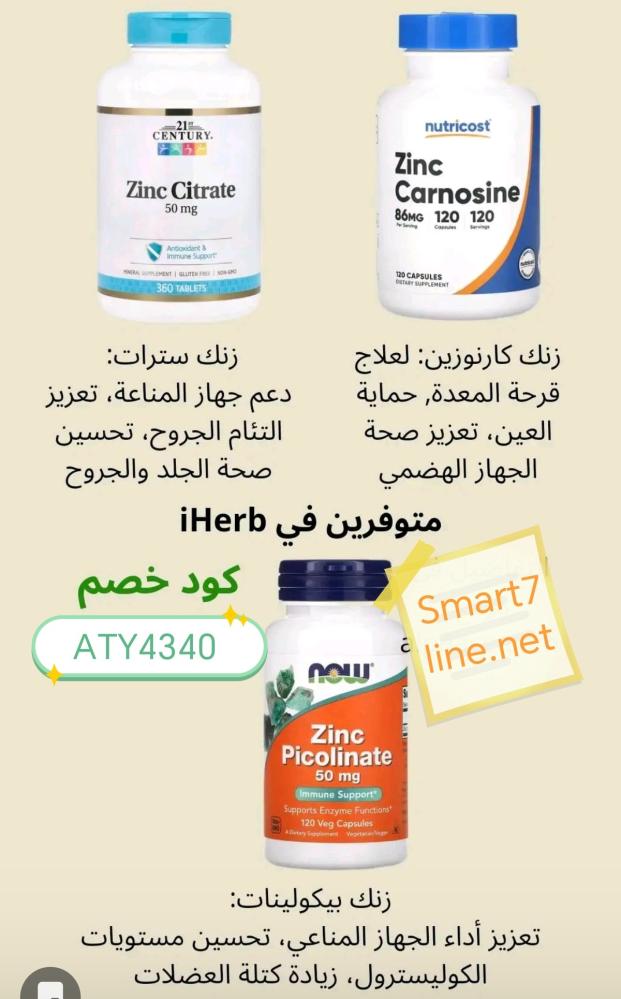
5. **Nerve Function**: Minerals like **zinc** and **copper** play roles in nerve function and the maintenance of brain health.
#### Conclusion
Incorporating a variety of foods into your diet, such as fruits, vegetables, whole grains, dairy, and lean proteins, can help ensure you receive adequate vitamins and minerals. While supplements can be beneficial for those with specific deficiencies, it's generally best to obtain these nutrients from a balanced diet [[3]](https://kidshealth.org/en/teens/vitamins-minerals.html). Always consult with a healthcare professional before starting any supplementation to address individual health needs.